Why Communication Is a Unique Challenge for Engineers
 If you ask most engineers what skill set matters most for career success, you’ll likely hear some version of this:
Technical excellence. Problem-solving. Analytical thinking.
And they wouldn’t be wrong. As an electrical engineer myself, I would have said the same.
But that would be false.
After more than a decade of coaching engineers and other IT or STEM professionals, I have seen a consistent pattern:
Some of the smartest, highest-performing engineers struggle not because they lack capability but because they lack the communication skills to navigate the human side of the workplace.
In fact, when I began my own corporate journey after earning my BS and MS in electrical engineering, I quickly discovered that my lack of communication and leadership skills hurt my career success greatly—despite hard work ethics and strong performance on the job.
Let’s talk about why this happens.
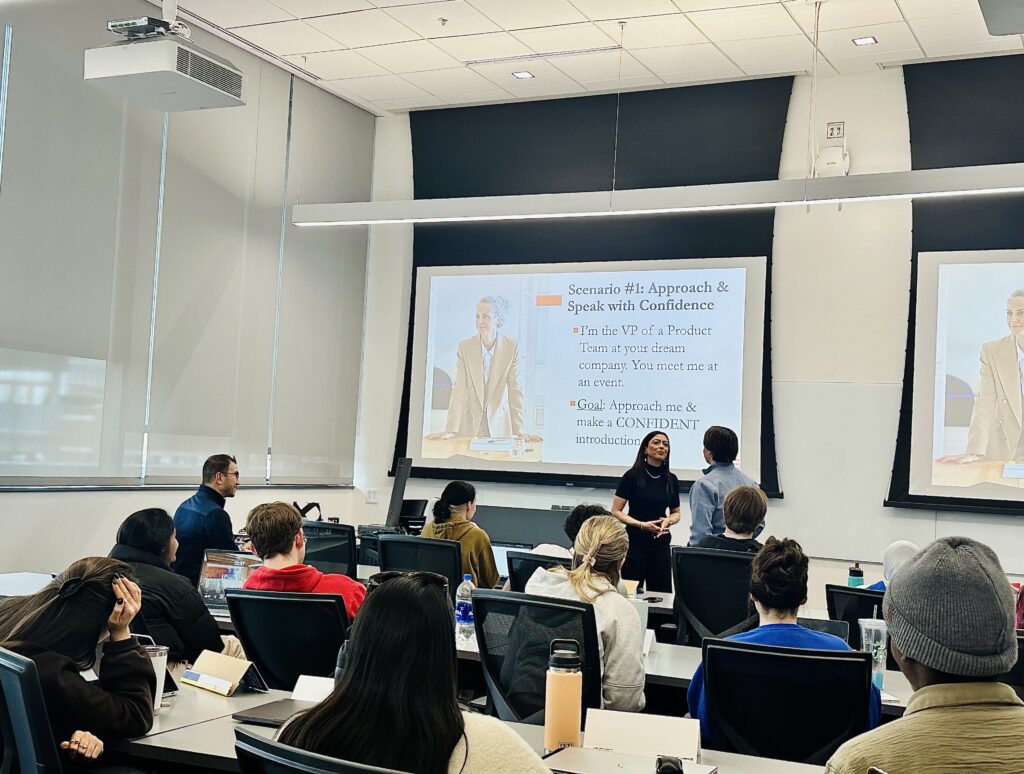
Engineers are trained to think logically and solve problems. They are not trained to communicate those problems, tell powerful stories about them, or explain them to their non-technical counterparts in simple language.
Engineering education does an exceptional job of preparing students in:
- Analytical thinking
- Technical modeling
- System design
- Mathematical reasoning
- Precision and optimization
I know this first-hand as I went to a top engineering program for my degrees.
But workplace success in every organization requires something else entirely:
➡️The ability to communicate and lead and influence
➡️The ability to translate complex ideas into business value
➡️ The ability to ask for resources
➡️ The ability to advocate for your impact and contribution
➡️ The ability to resolve misunderstandings
➡️ The ability to build trust across non-technical teams

As I teach both in my private coaching program for engineers or STEM professionals in industry or in my university workshops, highly technical individuals often think analytically and lack the ability to translate their thoughts into leadership and management language.
That translation gap is where many careers quietly stall and the reasons why engineers leave the STEM fields prematurely, in frustration for lack of upward mobility or being given opportunities and leadership visibility.
I get it. I experienced it. Many of my peers did. Many of my clients too before they learned how to turn the tide and gain the competitive advantage of communication skills.
Engineers and other STEM professionals get stuck in their career not because they aren’t brilliant or lack innovation or ideas.
But because their stakeholders don’t understand or relate to them and are often not able to mentor or coach them through their blind spots.
The Durable Skills that Transform an Engineer’s Career
I could list so many, but here are the top ones that are not only completely teachable as a skill, but can result in massive shifts in how our engineers are perceived and rewarded at work:
- Showing up at work with confidence
- Using their voice effectively
- Communicating clearly and coherently
- Speaking up in meetings
- Facilitating a meeting on their own
- Asking for help (so that they are set up for success)
- Advocating for an idea (especially if different from the group)
- Addressing tensions before they turn into conflict
- Pushing back on a no without alienating
- Setting healthy boundaries
Most engineers are average at best in these areas, dismissing them as ‘personality traits’, whereas they are in fact learnable skills and powerful tools in their everyday workplace scenarios.
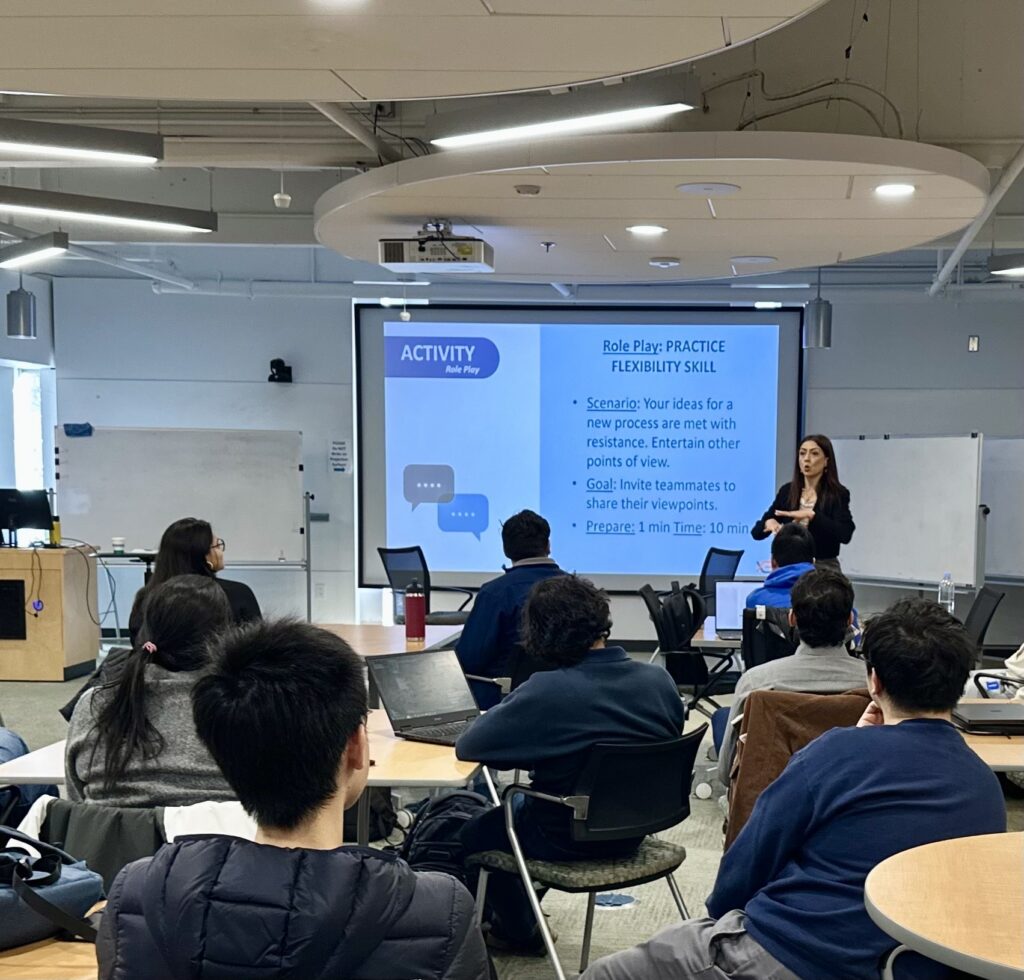
And so many engineers remain silent or hide behind their computers when the situation requires a powerful conversation.
Remaining quiet in meetings or other situations may feel safe and easy but make no mistake, you take a risk that leads to reduced visibility, lower advocacy for your value, and slower growth in your career.
Waiting for your hard work to speak for itself – a false idea that should’ve never spread – will put you behind on your promotions and raises.
It is crucial to learn and apply these durable skills in industry if you want to see the results of your value and contribution and enjoy a fulfilling career.
Work with Me to Learn These Durable Skills
My mission is to elevate the whole engineer is 2-fold:
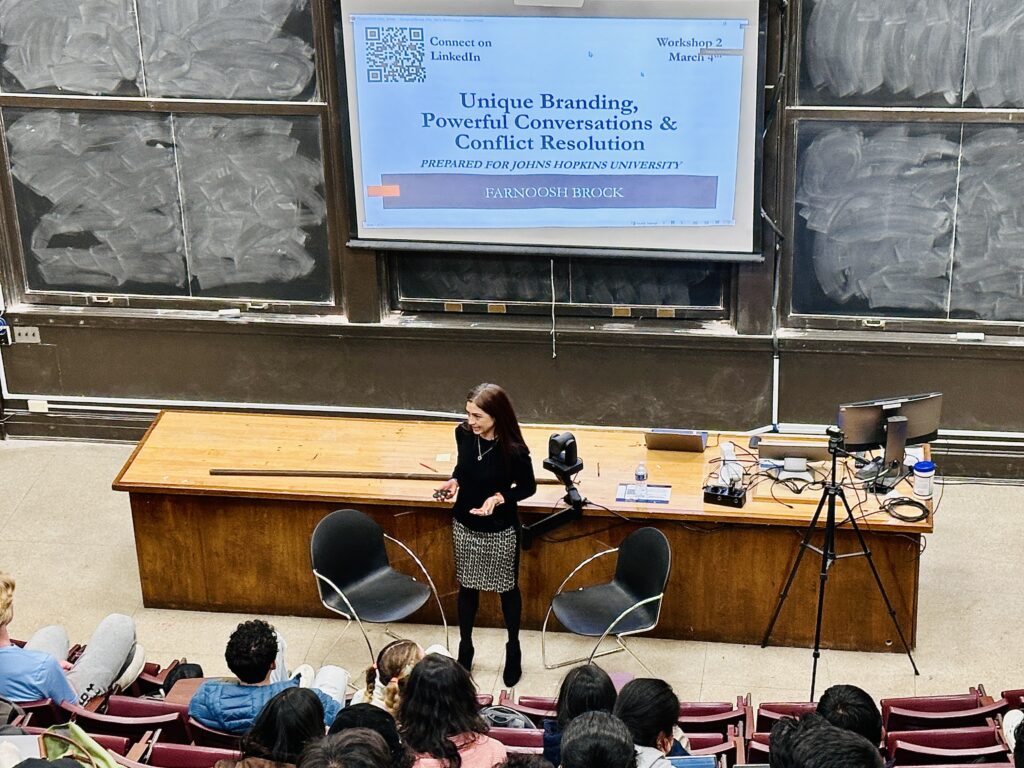
1. Workshops at universities to engineering students:
So far, we have worked with 15 top engineering programs at universities all over the US including Duke, Johns Hopkins, NC State, Cornell, James Madison, Wake Forest, University of Hawaii, Northwestern and many others. My engineer husband and partner, Andy and I go into engineering schools and deliver targeted sessions that help students a series of durable skills that are immediately noticeable. We have also co-authored an ASEE publication on The Whole Engineer.
2. Private Coaching with Engineers and STEM professionals in the workplace
I have coached over a hundred engineers from level 1 all the way to technical leaders and experts in their field on communication and leadership skills.
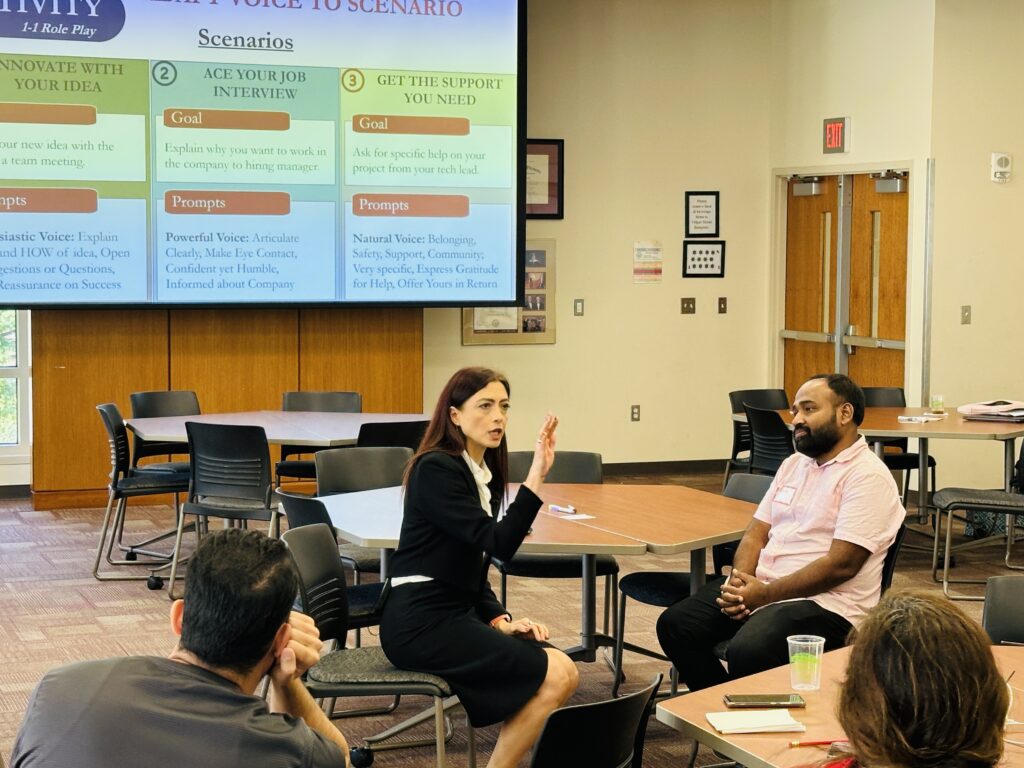
FACT: Analytical and technical skills are foundational for an engineer but as industry has pointed out, wholly insufficient on their own for a successful STEM career trajectory.
Our mission is this:
To equip technically strong engineering students or engineers with the communication tools they need to succeed in collaborative, fast-paced professional environments.
If you are an engineering faculty member, department head, or program director and would like to bring these communication and leadership workshops to your school, schedule a call with us.
If you are an engineer or software developer or another STEM/IT professional in the corporate world, looking to grow your career by elevating these skills, send us a coaching consult request.
Get in touch. We’d love to help you on this journey.
With love from Team Brock.




 I am Farnoosh, the founder of Prolific Living. So glad you are here. My mission is to empower you to unblock your creative genius to live your dream life.